🥗 The Foundation of a Balanced Diet
Eating well isn’t about following strict rules or giving up your favorite foods—it’s about balance. A balanced diet provides your body with the nutrients it needs to function optimally while allowing flexibility for the occasional treat. Let’s break down the essentials.
🌱 What a Balanced Diet Really Means
At its core, a balanced diet includes the right amounts of:
- Macronutrients
- Proteins: Build and repair muscles, support immunity, and help you feel full (e.g., chicken, beans, eggs).
- Carbohydrates: Your body’s main source of energy (e.g., whole grains, fruits, vegetables).
- Fats: Essential for hormone health, brain function, and nutrient absorption (e.g., nuts, olive oil, avocados).
- Micronutrients
- Vitamins and minerals like vitamin C, vitamin D, iron, and calcium support processes such as bone health, immunity, and energy production.
- Best obtained from a variety of colorful fruits, vegetables, nuts, and seeds.
🍽️ How to Build a Healthy Plate
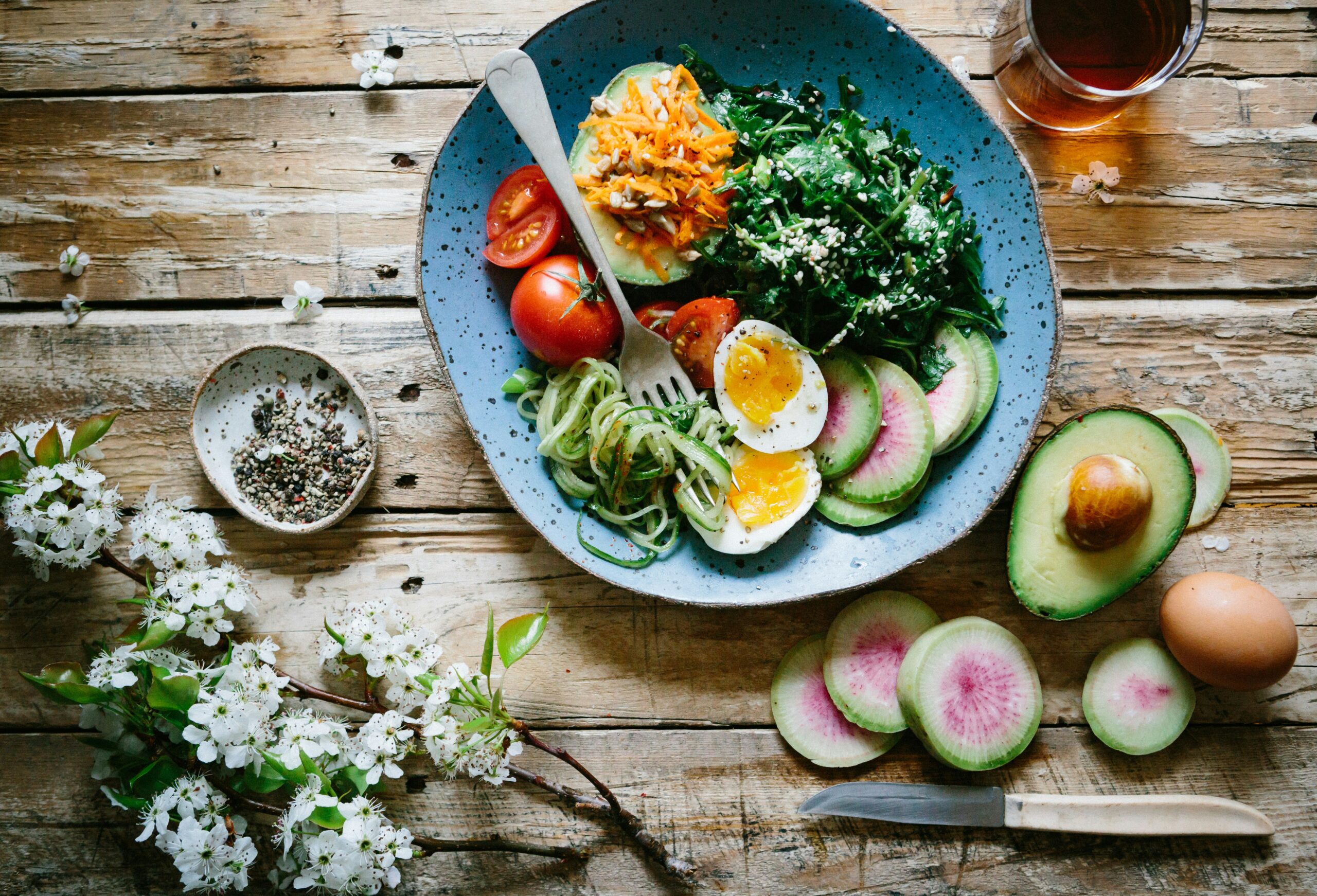
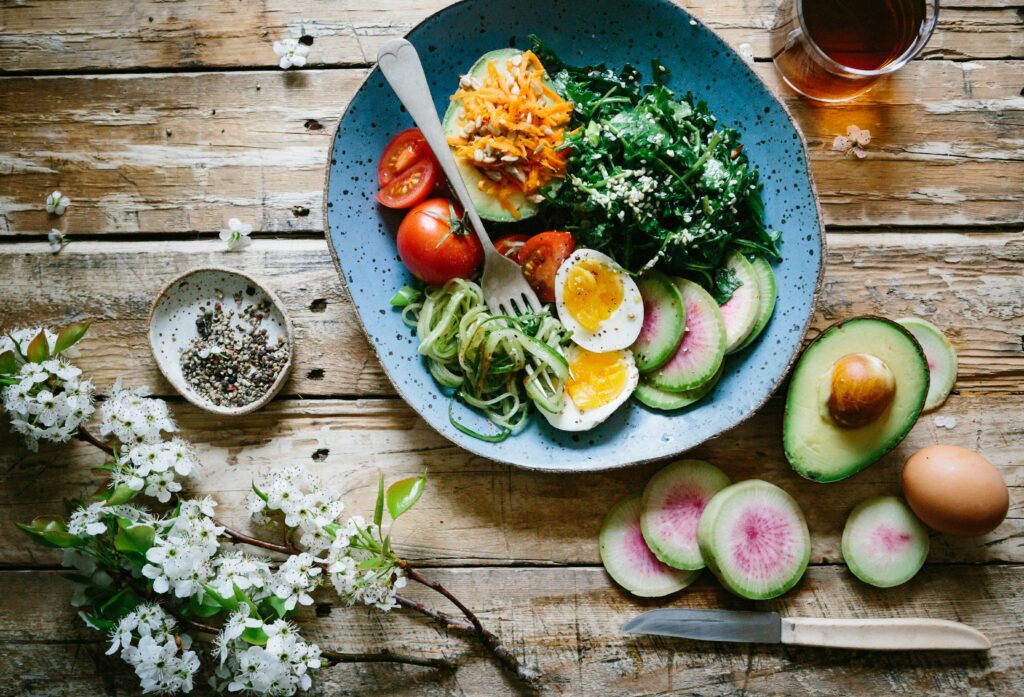
Think of your plate as a canvas. A simple guideline is:
- ½ Plate: Vegetables and fruits (fiber, vitamins, antioxidants).
- ¼ Plate: Lean protein (chicken, fish, tofu, lentils).
- ¼ Plate: Whole grains or starchy foods (brown rice, quinoa, sweet potato).
- A small portion of healthy fats: Olive oil drizzle, a few nuts, or half an avocado.
This balance ensures steady energy, satiety, and proper nutrition.
⚖️ Portion Control and the “80/20 Rule”
- Portion Control: Even healthy foods can cause weight gain if eaten in excess. Using smaller plates, mindful eating, and stopping when 80% full can help.
- The 80/20 Rule: Eat nutritious foods 80% of the time, and allow yourself flexibility for treats 20% of the time. This helps you stay consistent without feeling deprived.
🚫 Common Mistakes to Avoid
- Relying on processed foods – They’re often high in sugar, salt, and unhealthy fats.
- Skipping meals – Leads to overeating later and disrupts metabolism.
- Cutting out whole food groups without medical advice (e.g., carbs or fats).
- Not drinking enough water – Dehydration can affect energy, digestion, and appetite.
📝 Sample Balanced Meal Plan for a Day
- Breakfast: Oatmeal topped with berries, chia seeds, and a spoon of almond butter.
- Snack: A handful of nuts and an apple.
- Lunch: Grilled chicken breast, quinoa, and a large side salad with olive oil dressing.
- Snack: Greek yogurt with a drizzle of honey and sliced banana.
- Dinner: Baked salmon, roasted sweet potato, and steamed broccoli.
- Optional treat (20%): A small piece of dark chocolate or a cookie.